 Istanbulspor Hub
Introduction
Istanbulspor, the Sarı-Siyahlılar of Istanbul, have displayed flashes of brilliance in their recent matches but have struggled to maintain consistent performance. A thorough analysis of their tactical approach reveals several areas where adjustments could lead to improved outcomes and a stronger position in the league.
Current Tactical Form
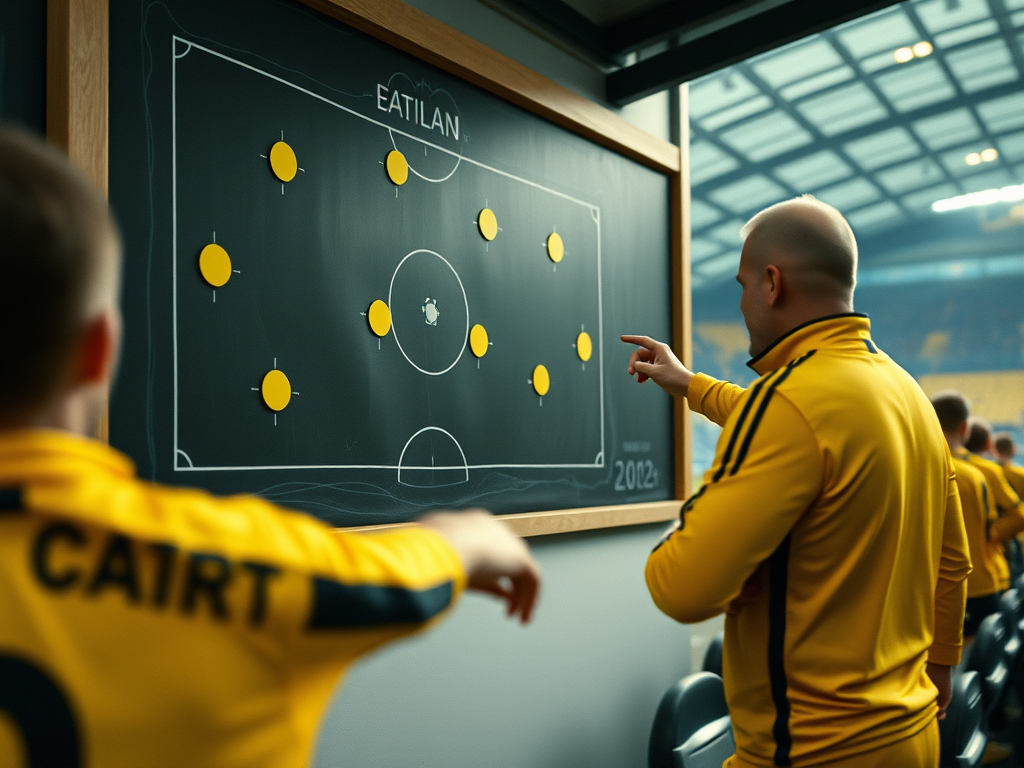
Under the management of İlyas Öztürk, Istanbulspor has adopted a fluid 4-3-3 formation that emphasizes width and quick transitions. The attacking trio, bolstered by the likes of A. Cham and M. Akdag, has shown the potential to wreak havoc on opposing defenses. However, the team’s reliance on counter-attacking football has sometimes left them vulnerable when faced with teams that maintain possession.
Suggested Tweaks
1. Midfield Stability: One of the primary areas for improvement lies within the midfield. Currently, the team often appears disjointed, especially against sides that press aggressively. Introducing a more disciplined holding midfielder could provide the necessary cover for the defensive line, allowing the attacking players to focus on their roles without worrying about defensive responsibilities. A player like Fahri Kerem Ay could be repositioned to a deeper role, enabling him to control the tempo of the game and distribute passes more effectively.
2. Wing Play Optimization: While the current formation utilizes width, the execution has been inconsistent. The wingers frequently drift infield, congesting the middle and stifling attacking options. Encouraging the wingers to stay wide and make overlapping runs with the full-backs could stretch opposing defenses, creating space in the middle for the strikers and attacking midfielders. This adjustment would help in maintaining a dynamic attacking shape.
3. Defensive Communication: Despite having a solid defensive core, there have been instances of miscommunication leading to costly errors. Implementing a structured defensive communication system, perhaps through designated roles for the center-backs in organizing the backline, could mitigate these problems. Regular drills focused on defensive scenarios can help reinforce this aspect of their play.
4. Set-Piece Strategy: Istanbulspor has not capitalized on set-piece opportunities as much as they should. Enhancing the tactical approach to corner kicks and free-kicks could yield significant dividends. Utilizing varied routines and assigning specific roles to key players during set-pieces could turn these situations into prime scoring opportunities, especially against teams that struggle with defending set-pieces.
5. In-Game Adaptability: The ability to adapt during matches has been a notable weakness. Training the squad to recognize when to shift formations or play styles based on the flow of the game can be crucial. Implementing a flexible approach, allowing players to fluidly transition between a 4-3-3 and a more compact 4-2-3-1 depending on the opponent’s strategy, could provide the team with a tactical edge.
Conclusion
As Istanbulspor navigates the challenges of the league, these proposed tactical tweaks could enhance their overall performance and cohesion on the pitch. By refining their midfield stability, optimizing wing play, improving defensive communication, capitalizing on set pieces, and fostering in-game adaptability, Sarı-Siyahlılar can look forward to a brighter future. With these enhancements, Istanbulspor has the potential to not only compete but thrive in the league, making them a formidable opponent for any team.